Septic Field Line Cleaning in Paducah, KY
Professional septic field line cleaning, jetting, and rejuvenation to restore proper drainage and save your drain field from costly replacement.
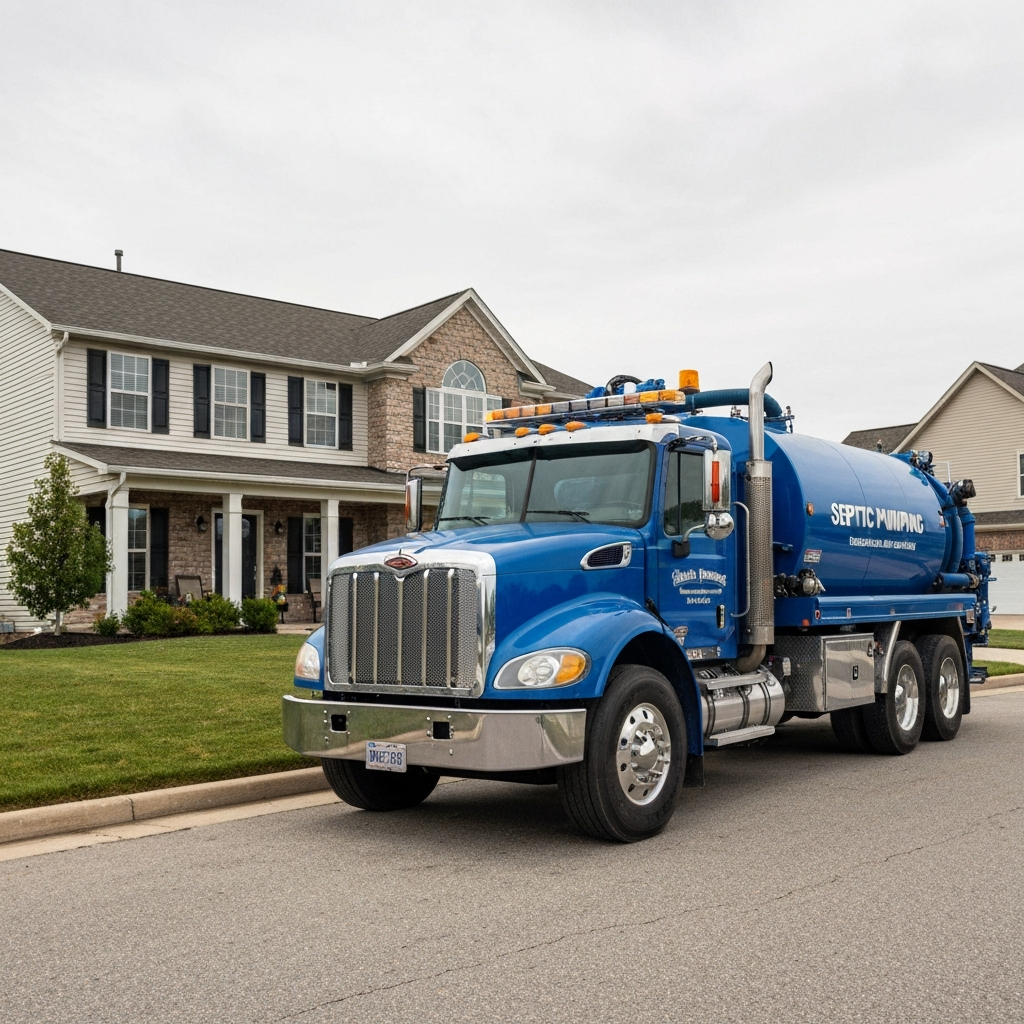
Your septic drain field (also known as a leach field) is the most critical and expensive component of your entire septic system. When it stops working properly, your entire plumbing system can grind to a halt. At Paducah Septic Services, we specialize in professional septic field line cleaning in Paducah, KY and the surrounding McCracken County area. We use advanced techniques to clear blockages, restore proper drainage, and extend the life of your drain field, saving you thousands of dollars compared to a full system replacement.
With over 30 years of experience serving Western Kentucky, we understand the unique challenges presented by local soil conditions, weather patterns, and system designs. Whether you are experiencing slow drains, pooling water in your yard, or foul odors, our team is equipped to diagnose and resolve the issue quickly and effectively.
What Are Septic Field Lines and Why Do They Fail?
After wastewater leaves your septic tank, it flows into the field lines (a network of perforated pipes buried in trenches filled with gravel). These lines distribute the liquid effluent evenly into the soil, where natural bacteria filter and purify it before it reaches the groundwater.
Over time, several factors can cause these lines to become clogged or fail:
- Biomat Buildup: A thick, slimy layer of bacteria naturally forms in the trenches. If it grows too thick, it prevents water from absorbing.
- Sludge Carryover: If the tank isn't pumped regularly, solids and grease can escape and clog the perforations in the field lines.
- Tree Root Intrusion: Roots from nearby trees seek out moisture, infiltrating and crushing the pipes.
- Soil Compaction: Driving heavy vehicles over the drain field compacts the soil and crushes the lines.

Signs You Need Field Line Cleaning
A failing drain field rarely happens overnight. Recognizing the early warning signs can mean the difference between a simple cleaning and a complete, costly replacement. Look out for:
- Slow draining sinks, showers, and toilets throughout the house.
- Gurgling sounds coming from your plumbing fixtures.
- Sewage backing up into your lower-level drains or bathtubs.
- Unusually lush, bright green grass growing over the drain field area.
- Spongy, wet, or mushy ground above the septic trenches.
- Strong, foul sewage odors in your yard or around the septic tank.
Our Field Line Cleaning Process
At Paducah Septic Services, we utilize a comprehensive, step-by-step approach to restore your field lines to peak efficiency. We don't just guess; we diagnose the root cause of the problem to provide a lasting solution.
System Inspection
We begin by locating the tank and drain field, checking liquid levels, and inspecting the lines.
High-Pressure Jetting
Using hydro jetting equipment, we blast away stubborn sludge, grease, and biomat.
Root Removal
If tree roots have infiltrated, we use specialized augers to clear blockages safely.
Biological Treatments
We can apply safe shock treatments that rapidly break down organic matter clogging the soil.

Why Choose Paducah Septic Services?
Replacing a drain field can cost anywhere from $5,000 to over $15,000, not to mention the destruction of your landscaping. Field line cleaning and rejuvenation is a fraction of that cost. Our goal is always to save your existing system whenever possible. We pride ourselves on honest assessments—if your lines can be saved, we will tell you.
We are fully licensed, insured, and experienced with the specific soil types of McCracken County. We know what works and what doesn't in Western Kentucky.
Field Line Cleaning FAQ
Can all clogged field lines be cleaned?
Many can, especially if the clog is due to sludge, grease, or moderate biomat buildup. However, if the lines are crushed or completely destroyed by roots, replacement may be the only option.
How long does field line cleaning take?
Most field line jetting and cleaning jobs can be completed in a single day, usually within 3 to 5 hours, depending on the severity of the blockage.
Is hydro jetting safe for my septic pipes?
Yes, when performed by a trained professional. We control the water pressure to ensure it is strong enough to cut through grease and roots but safe enough not to damage intact PVC.
How can I prevent clogging in the future?
The best prevention is regular septic tank pumping (every 3-5 years) to keep solids from overflowing into the lines, and avoiding planting trees near the drain field.