The Ultimate Septic System Maintenance Guide for Paducah Homeowners
Owning a home in rural Western Kentucky often means relying on a septic system rather than municipal sewer lines. While septic systems are highly effective, they require specific care to function properly. Replacing a failed system can cost upwards of $10,000 to $20,000. This guide will teach you how to protect your investment.
Understanding How Your Septic System Works
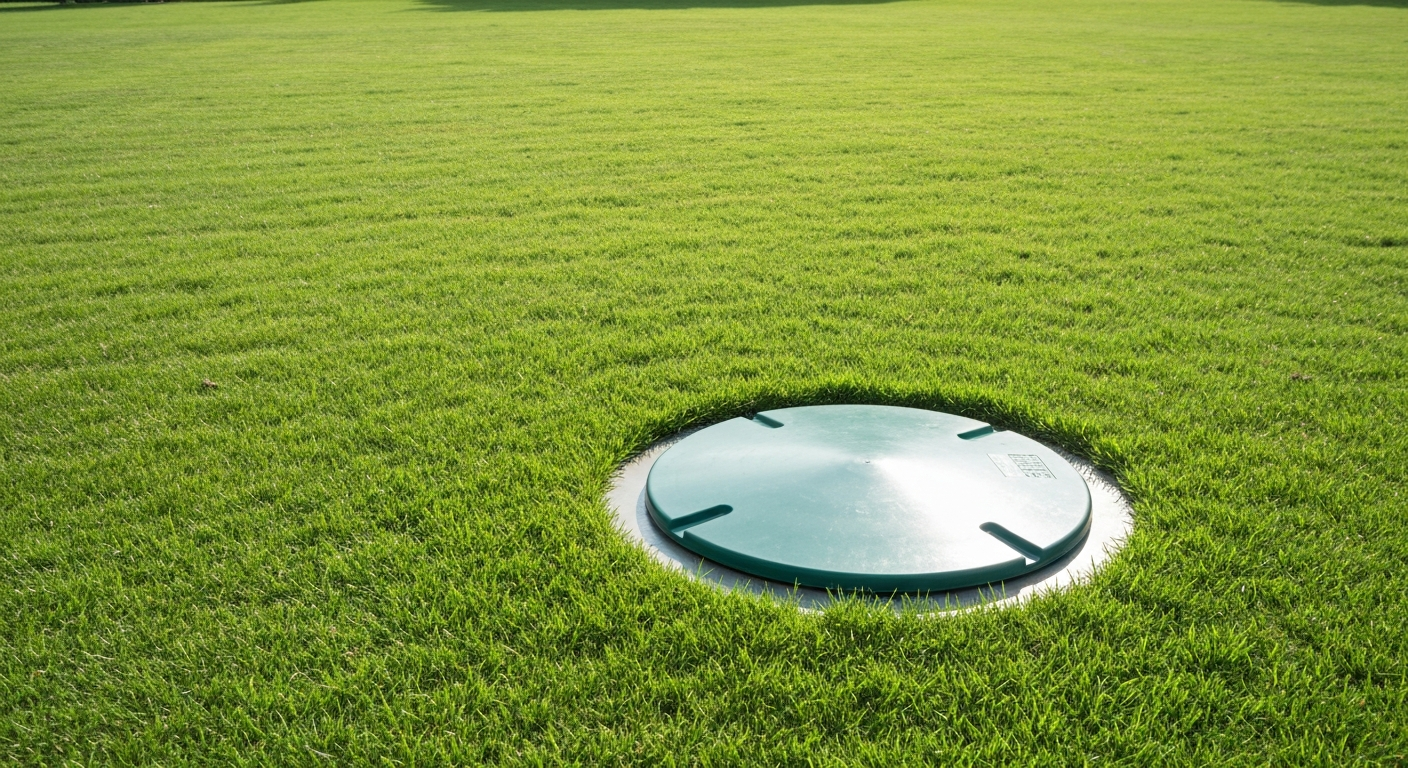
Before you can properly maintain your system, it helps to understand the three main components:
- The Pipe from the House: Carries all wastewater from your toilets, sinks, and showers into the tank.
- The Septic Tank: Where solids settle (sludge) and fats float (scum). The middle liquid (effluent) flows out into the drain field.
- The Drain Field (Leach Field): A network of perforated pipes buried in trenches that filters the effluent into the soil safely.
The Golden Rule: Pump Regularly
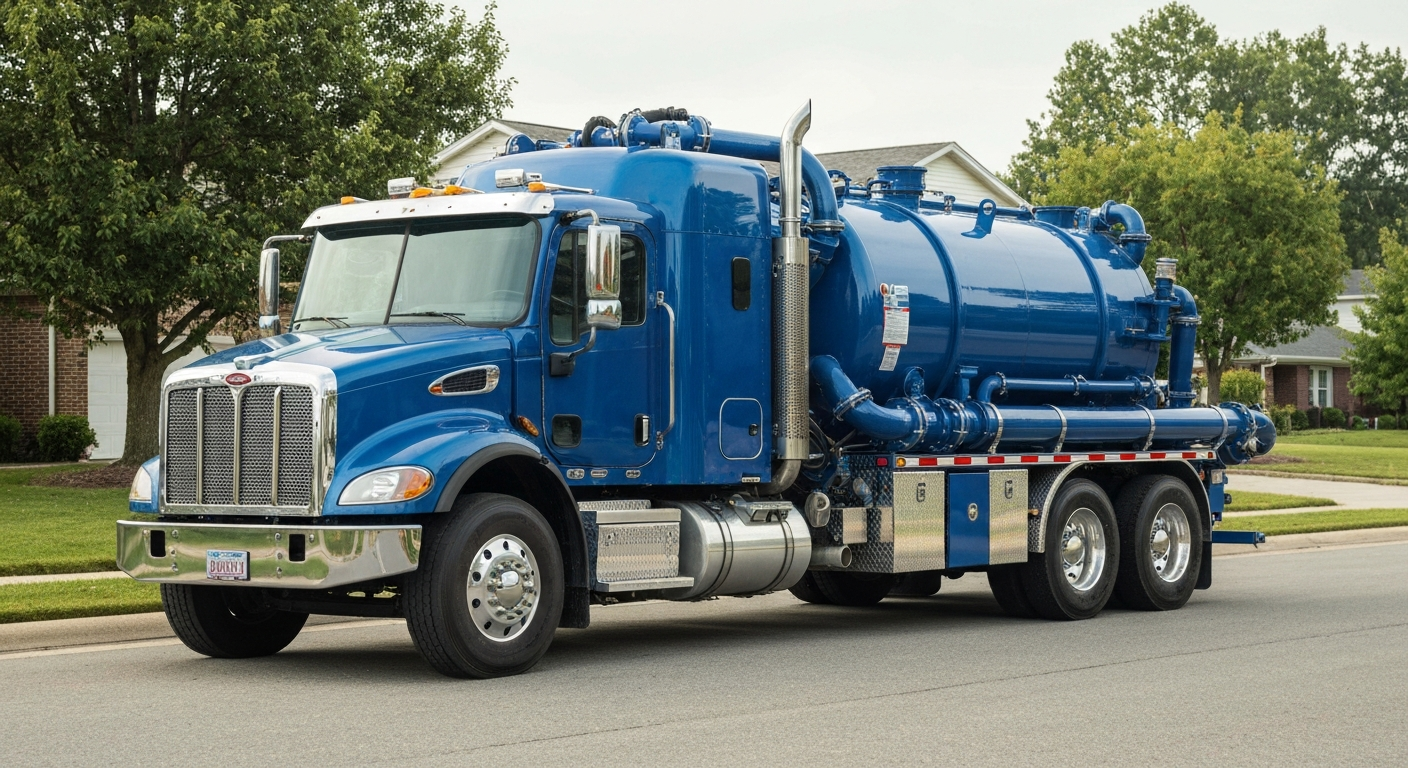
Pumping your septic tank every 3-5 years is non-negotiable. The heavy clay soils common in parts of McCracken County do not drain as quickly as sandy soils, making it even more critical to prevent sludge from reaching the drain field. If sludge escapes the tank, it creates a thick biomat that permanently clogs the soil, leading to total system failure.
What NEVER to Flush
Your septic system is a delicate biological environment. To keep the bacteria working and prevent clogs, never flush the following items:
- "Flushable" wipes: Despite the marketing, these do not break down and are the leading cause of clogs.
- Feminine hygiene products
- Paper towels and thick tissues
- Grease, fats, and oils (FOG): These harden in the pipes and tank.
- Coffee grounds
- Harsh chemicals, bleach, and paint: These kill the essential bacteria that break down waste.
Protecting Your Drain Field
Your drain field is arguably the most expensive part of your system. Protect it by following these rules:
- Do not park cars, trucks, or heavy equipment on the drain field. The weight compacts the soil and crushes pipes.
- Do not plant trees or large shrubs near the lines. Roots will seek out the moisture and destroy the pipes.
- Divert roof gutters and sump pumps away from the drain field to prevent oversaturation of the soil.
When to Call the Professionals
If you notice sewage odors, slow drains, or gurgling toilets, do not wait. These are warning signs that your system is struggling.
Need to schedule your routine maintenance? Contact Paducah Septic Services today for a free, same-day quote.